Inside the Machinery of International Climate Negotiations
Annual climate summits produce dramatic headlines, but most of the real work happens in technical rooms over many months. Here is how the process works and how to judge whether a meeting achieved anything.

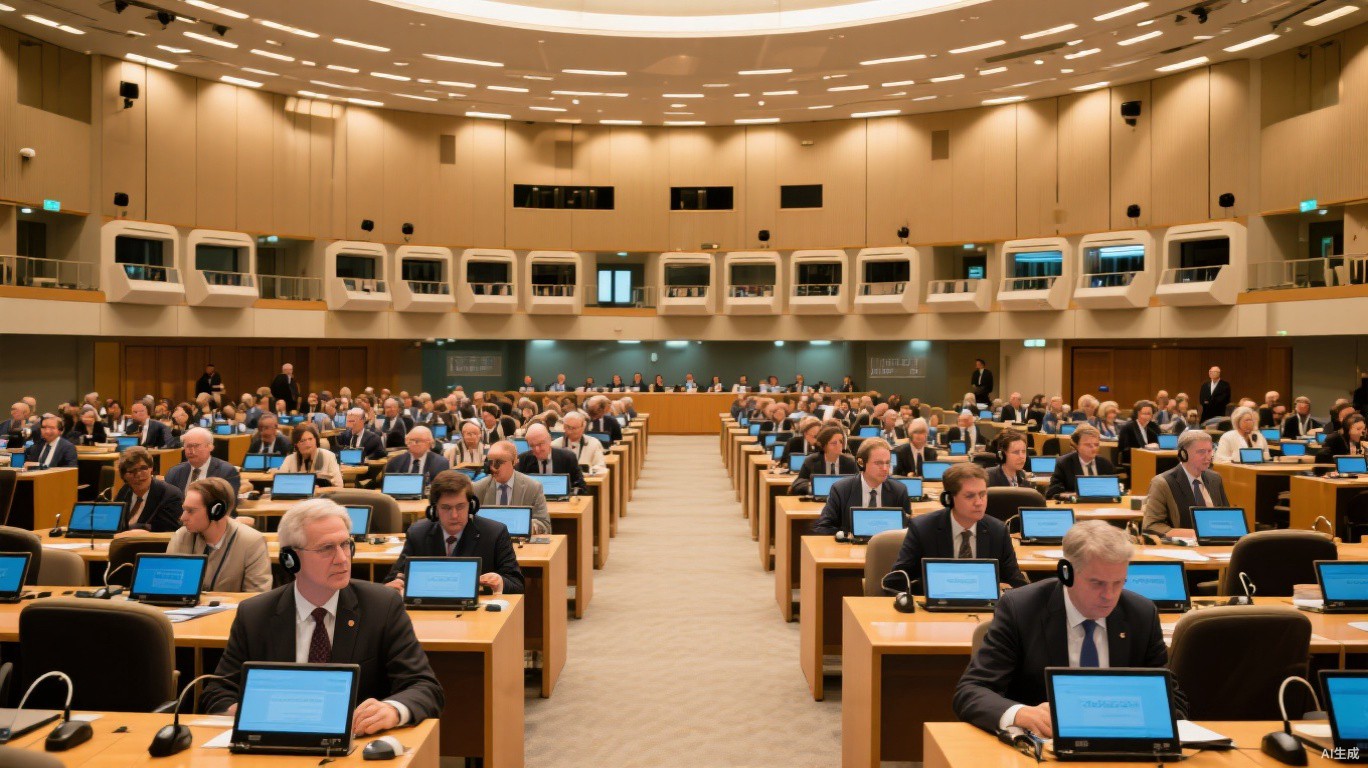
Each year, tens of thousands of people travel to a host city for the United Nations climate conference. Television coverage focuses on speeches by leaders, protests outside the venue and late-night drama over final texts. What gets less attention is the slow, technical machinery that makes any agreement possible, and the way decisions made in obscure working groups shape national policies for years afterwards.
The basic structure
The annual summit is formally the Conference of the Parties to the UN Framework Convention on Climate Change, which almost every country has joined. The Paris Agreement, adopted in 2015, sits under that framework and has its own meetings held alongside the main conference.
Decisions are generally taken by consensus. That does not mean every country enthusiastically agrees; it means no country formally objects. This rule gives even small delegations real leverage and explains why texts are often filled with careful, sometimes vague language designed to keep everyone on board.
Countries usually negotiate in blocs. Small island states, the least developed countries, the European Union, a large group of developing economies and various regional alliances coordinate positions so that their voices carry more weight. A single negotiator may speak on behalf of dozens of governments.
What is actually being negotiated
The Paris Agreement relies on national pledges, known as nationally determined contributions, rather than binding targets imposed from above. Countries set their own goals and update them every five years, ideally raising ambition each time. Summits therefore focus less on writing new targets and more on the rules and support around them.
Recurring topics include:
- Transparency, meaning how countries report emissions and progress in a comparable way.
- Finance, including how much money wealthier countries provide to help others cut emissions and adapt.
- Adaptation, covering measures such as flood defences, drought-resistant agriculture and early warning systems.
- Loss and damage, which concerns support for communities facing harm that cannot be avoided through adaptation.
- Carbon markets, the rules for trading emissions reductions between countries.
Each of these has its own working groups, technical bodies and draft texts that evolve over the year, often at intersessional meetings held months before the main summit.
Why the final nights matter so much
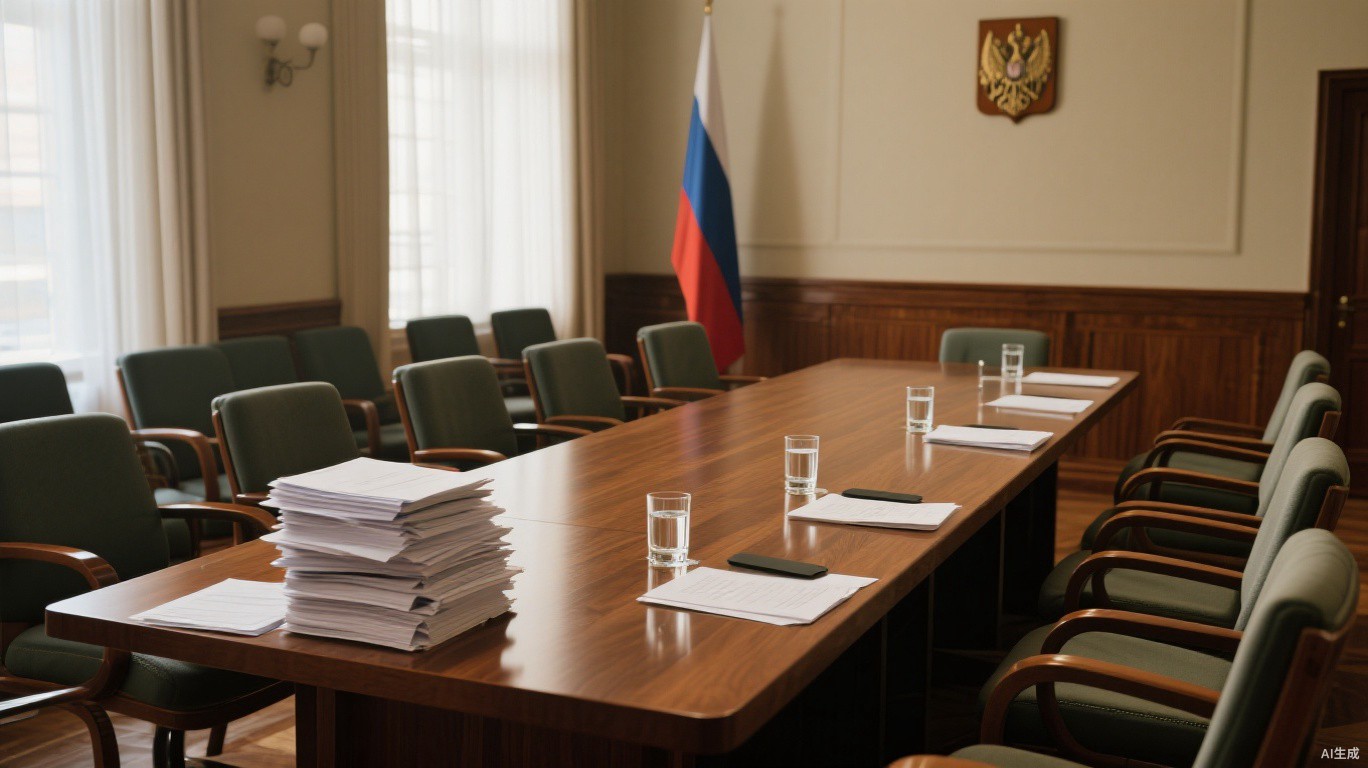
By the time ministers arrive in the second week, most of the text has been agreed in principle. What remains are the hardest political trade-offs, often marked in drafts with square brackets around disputed words. A single verb can carry enormous weight. Committing to "phase out" something is very different from agreeing to "phase down" or simply "transition away from" it.
A veteran negotiator from a small Pacific delegation described the closing days as a test of endurance as much as diplomacy. "Larger delegations can rotate staff through the night," she said. "We have three people covering a dozen rooms. Being in the right room at three in the morning can decide whether your country's concerns make it into the text."
Being in the right room at three in the morning can decide whether your country's concerns make it into the text.
This imbalance in capacity is itself a negotiating issue. Some funds and partnerships now help smaller countries train negotiators and send technical experts, though gaps remain.
Judging whether a summit worked
Media coverage often labels a conference a success or failure within hours of it ending. A more useful assessment looks at specific outcomes. Did countries agree on clear rules that make pledges easier to compare? Were finance commitments specific about amounts, timelines and sources? Did any new national pledges increase ambition in measurable terms? Were there agreements outside the formal process, such as coalitions of countries or cities committing to particular sectors?
It also helps to watch what happens afterwards. A summit decision means little if national parliaments do not pass supporting legislation, or if finance pledges are not delivered. Independent research groups track these follow-through measures, and their annual assessments tend to be more informative than closing-night statements.
Limits and strengths of the process
Critics argue that consensus rules allow the slowest country to set the pace and that the gap between pledges and the emissions cuts scientists say are needed remains large. Those concerns are widely shared, including by many negotiators.
Defenders point out that the system has shifted expectations. Before Paris, few countries had economy-wide climate targets; now nearly all do. Regular reporting creates pressure, and the five-year cycle builds in moments when governments are expected to explain themselves.
The process works less like a single legislature and more like a long-running conversation that slowly tightens norms. Progress is incremental and frequently frustrating. Still, much of what governments, investors and cities now treat as standard practice, from emissions reporting to adaptation planning, can be traced back to texts painstakingly negotiated in conference halls that most people only see on the evening news.