Why a Handful of Narrow Sea Lanes Shape the Price of Everyday Goods
Most of the world trade that arrives by ship passes through a few tight straits and canals. Understanding how they work explains why delays far away can show up on a supermarket receipt.

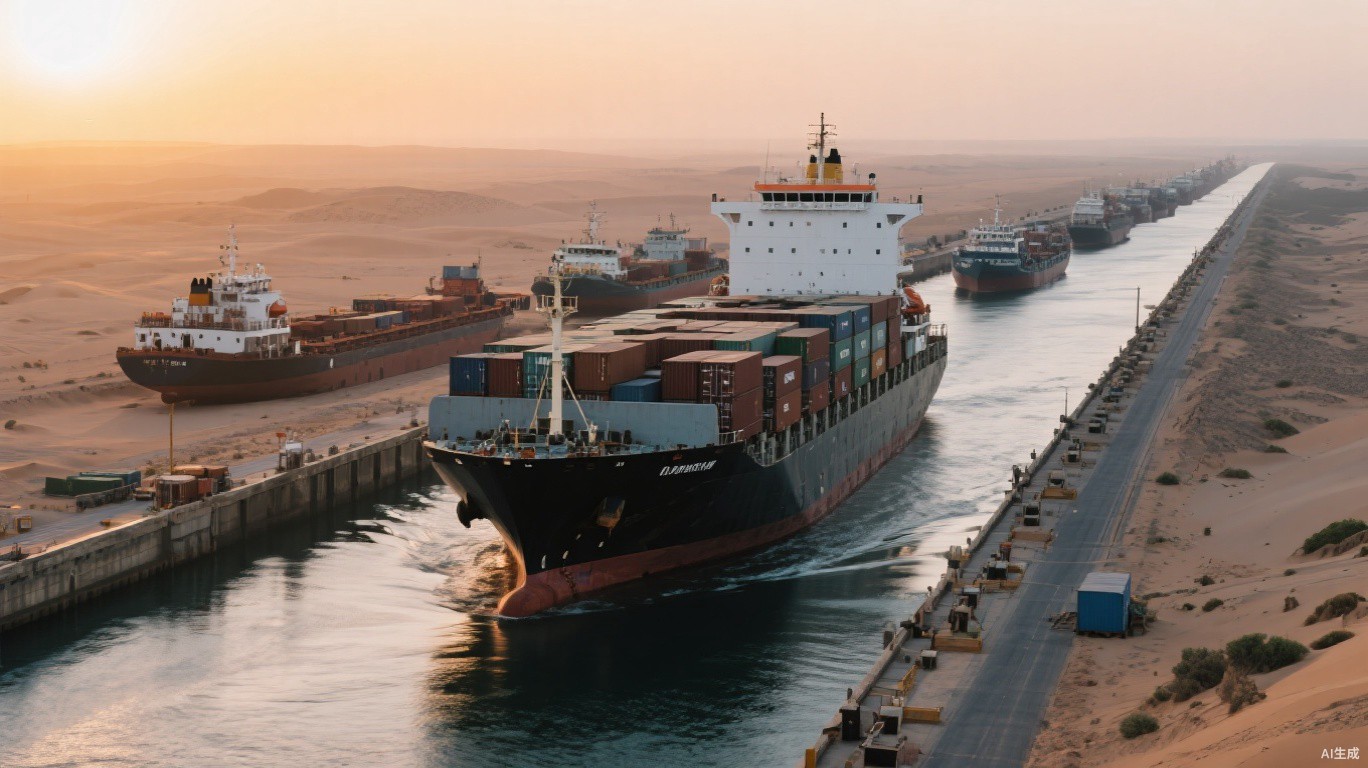
Roughly four fifths of global trade by volume travels by sea, and a surprising share of it squeezes through passages that are only a few dozen kilometres wide. Shipping specialists call these places chokepoints. They are rarely in the headlines when things run smoothly, but they quietly set the rhythm of world commerce, from the timing of holiday stock to the cost of fertiliser on a farm in Iowa or East Anglia.
What makes a chokepoint
A chokepoint is any narrow route that a large volume of traffic depends on and that has no easy substitute. Some are natural straits between landmasses; others are engineered canals that cut weeks off a voyage. What they share is a lack of slack. When one is disrupted, ships either wait or take a much longer route around a continent, and both options cost time and fuel.
The best-known examples include:
- The Strait of Malacca, linking the Indian Ocean with the South China Sea and carrying a large share of trade between Asia and Europe.
- The Suez Canal, which connects the Mediterranean to the Red Sea and spares ships the long trip around southern Africa.
- The Panama Canal, whose lock system depends on fresh water from a rain-fed lake.
- The Strait of Hormuz, a key outlet for energy exports from the Gulf.
- The Bosphorus, the only sea route between the Black Sea and the Mediterranean.
Each of these has its own vulnerabilities. Malacca is crowded and shallow in places. Panama is sensitive to drought, because every ship that passes through the locks uses millions of litres of fresh water. Suez and Hormuz sit in regions where security concerns can change insurance costs overnight.
How a delay becomes a price rise
When a chokepoint slows down, the effects travel through the system in stages. First, ships arrive late, which means containers miss their scheduled connections at transhipment hubs. Then shipping lines adjust routes, often adding a week or more to journeys between Asia and Europe. Because the same fleet now spends longer at sea, the effective number of available ships falls, and spot freight rates climb.
A logistics analyst in Rotterdam described the pattern as a slow wave rather than a sudden shock. "The ship that is late today is the ship that is not available to load next month," she said. "Retailers feel it six to ten weeks later, and consumers sometimes notice months after that."
The ship that is late today is the ship that is not available to load next month.
For most finished goods, shipping is a small fraction of the shelf price, so a freight spike adds pennies rather than pounds. The bigger impact tends to fall on bulky, low-value goods such as grain, building materials and furniture, where transport makes up a larger share of the total cost. It also falls on businesses that run lean inventories and cannot easily absorb a missed delivery.
The hidden cost of insurance and fuel
Freight rates are only part of the story. Ship operators pay for hull and cargo insurance, and in areas considered higher risk they may face additional war-risk premiums. These can be priced as a percentage of a vessel's value for each transit, which adds up quickly for large modern container ships.
Fuel is the other major variable. Diverting around a continent can add thousands of nautical miles to a voyage. Even with ships deliberately sailing more slowly to save fuel, a longer route means more emissions and higher bunker bills. That creates a tension with the shipping industry's climate commitments, since detours undo some of the efficiency gains made in recent years.
Why there are no easy alternatives
It is natural to ask why trade does not simply move to rail, air or new routes. Some of it does. Rail links across Eurasia carry a growing number of containers, and air freight absorbs urgent, high-value goods. But the scale of maritime trade is so large that no alternative can replace more than a sliver of it. A single large container ship can carry the equivalent of thousands of truckloads.
New sea routes also come with limitations. Arctic passages are open for only part of the year and require ice-class vessels and specialist crews. Proposed canals and land bridges take decades to plan and finance, and they create new chokepoints of their own.
How the system is adapting
Rather than eliminating chokepoints, governments and companies are learning to live with them more carefully. Large retailers increasingly keep a little more safety stock than they did a decade ago. Some manufacturers have moved to sourcing from more than one region, a strategy often described as diversification rather than full reshoring. Port authorities are investing in digital systems that share vessel arrival data, which helps terminals plan around delays instead of reacting to them.
Water management is becoming part of trade policy too. In Panama, for instance, discussions about reservoirs and water recycling at the locks are as much about global commerce as they are about local supply.
None of this makes the system immune to disruption. What it does is buy time. A few extra weeks of stock, a second supplier, or better information can turn a crisis into an inconvenience. For readers, the practical lesson is modest but useful: when a distant strait appears in the news, it is worth expecting slower deliveries and some price movement a couple of months later, especially for heavy goods. The map of global trade is still drawn by geography, and the narrowest stretches of water continue to carry the widest consequences.