How to Spot a Genuine Holiday Deal Before You Click the Buy Button
Holiday sales promise big savings, but not every discount is what it seems. Here is a calm, practical method for judging offers, tracking value and avoiding regret purchases this season.

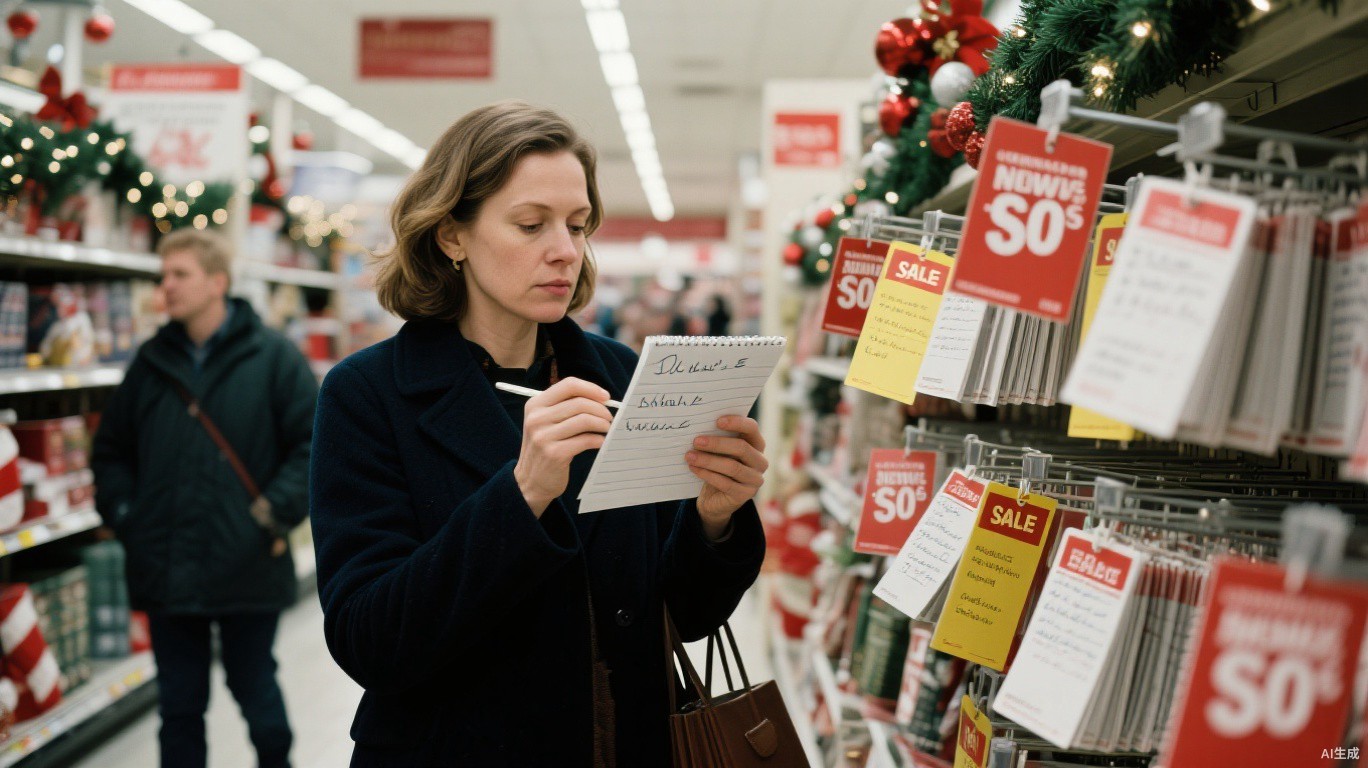
Every year the holiday shopping season seems to start a little earlier. Banners appear in October, email inboxes fill with countdown timers, and the word "sale" begins to lose its meaning. For shoppers in the US, UK, Europe and Australia alike, the challenge is the same: separating offers that genuinely save money from those designed mainly to create a sense of urgency.
The good news is that spotting a real deal does not require insider knowledge. It requires a little preparation, a clear sense of what you actually need, and the patience to look past the headline percentage.
Start With a List, Not a Sale
The most reliable way to save money during the holidays is to decide what you want before the promotions begin. A written list, with a rough budget next to each item, acts as an anchor. When a flashy offer appears, you can ask a simple question: was this on my list?
A retail analyst in Chicago who studies seasonal spending patterns describes the list as "the cheapest financial tool most households already own." Impulse purchases, she notes, are where holiday budgets quietly unravel, because each one feels small in isolation.
If an unexpected offer does tempt you, give yourself a cooling-off period. Wait a day. If the item still seems worthwhile and fits your budget, the purchase is more likely to be a considered one rather than a reaction to a timer on a screen.
Understand What the Discount Is Measured Against
A "40 percent off" label only means something if you know the starting point. Some retailers compare the sale price with a recommended retail price that the item rarely, if ever, sold for. Others use a "was" price that applied only briefly before the promotion.
Consumer regulators in several regions, including the UK and the EU, have rules about how reference prices can be used, but enforcement varies and the wording on a tag can still be confusing. The safest approach is to do your own homework.
A discount is only as honest as the price it is compared with, so always ask what the item normally costs.
Price history tools and browser extensions can show how a product has been priced over recent months. Even without them, noting the price of items on your list a few weeks before the main sales gives you a personal baseline that is hard to argue with.
Look Beyond the Price Tag
The cheapest option is not always the best value. When comparing offers, consider the total cost of ownership and the terms attached to the purchase. A few minutes of checking can prevent a bargain from becoming a headache later.
- Check the return window, especially for gifts that may need exchanging in January.
- Confirm delivery costs and estimated arrival dates before checkout.
- Read what the warranty covers and who honours it, the retailer or the manufacturer.
- Look for any bundled subscriptions that renew automatically after a trial.
- Compare the model or specification carefully, as sale versions sometimes differ slightly.
That last point matters more than many shoppers realise. Some products sold during major promotions are variants with different components or fewer accessories. They are not necessarily worse, but they should be compared on their own merits rather than against the more fully featured version.
Recognise Pressure Tactics
Countdown clocks, "only three left" banners and pop-ups announcing that dozens of people are viewing the same item are all designed to shorten your decision time. Sometimes they reflect genuine scarcity. Often they are simply persuasive design.
A behavioural economist at a university in Manchester puts it plainly in her lectures: urgency is the enemy of comparison. When you feel rushed, you are less likely to check other retailers, read reviews or reconsider whether you need the item at all.
One practical defence is to keep shopping sessions short and purposeful. Open the site, check the items on your list, and close the tab. Browsing without a goal during peak sale periods is where most unplanned spending happens.
It also helps to unsubscribe from marketing emails you do not find useful, or to filter them into a separate folder that you check only when you are actively shopping. Fewer prompts mean fewer impulse decisions.
Protect Yourself While You Shop
Holiday periods also bring an increase in fraudulent websites and fake delivery messages. Deals that look dramatically better than anything else available deserve extra scrutiny. Check that the web address is correct, that the site uses a secure connection, and that there are clear contact details and a physical address.
Paying with a credit card, where available, often offers stronger protection than a debit card or bank transfer if something goes wrong. Be cautious with unexpected texts claiming a parcel is held up and asking for a small fee; these are a common scam during busy delivery weeks.
Finally, keep a simple record of what you have bought, from where, and when the return period ends. A note on your phone or a basic spreadsheet is enough. When January arrives and the gift that did not quite fit needs to go back, you will be glad you did.
Thoughtful holiday shopping is less about chasing the biggest number on a banner and more about knowing what you want, what it is worth, and when to walk away. A real deal will still look like a good decision a month later.