How to Buy a Used Car With Confidence: Checks, Paperwork and Negotiation
A used car can offer excellent value, but only if you know what to inspect, which documents to request and how to negotiate calmly. This step-by-step guide covers the essentials for buyers.

Buying a used car remains one of the most common ways to get a reliable vehicle without absorbing the steep depreciation that hits new cars in their first few years. It can also be one of the more stressful purchases people make. Unlike most consumer goods, every used car is different, and its history matters as much as its make and model.
The difference between a good buy and an expensive mistake often comes down to preparation. A methodical approach, applied consistently, protects buyers far better than instinct or a quick test drive.
Set a Realistic Budget First
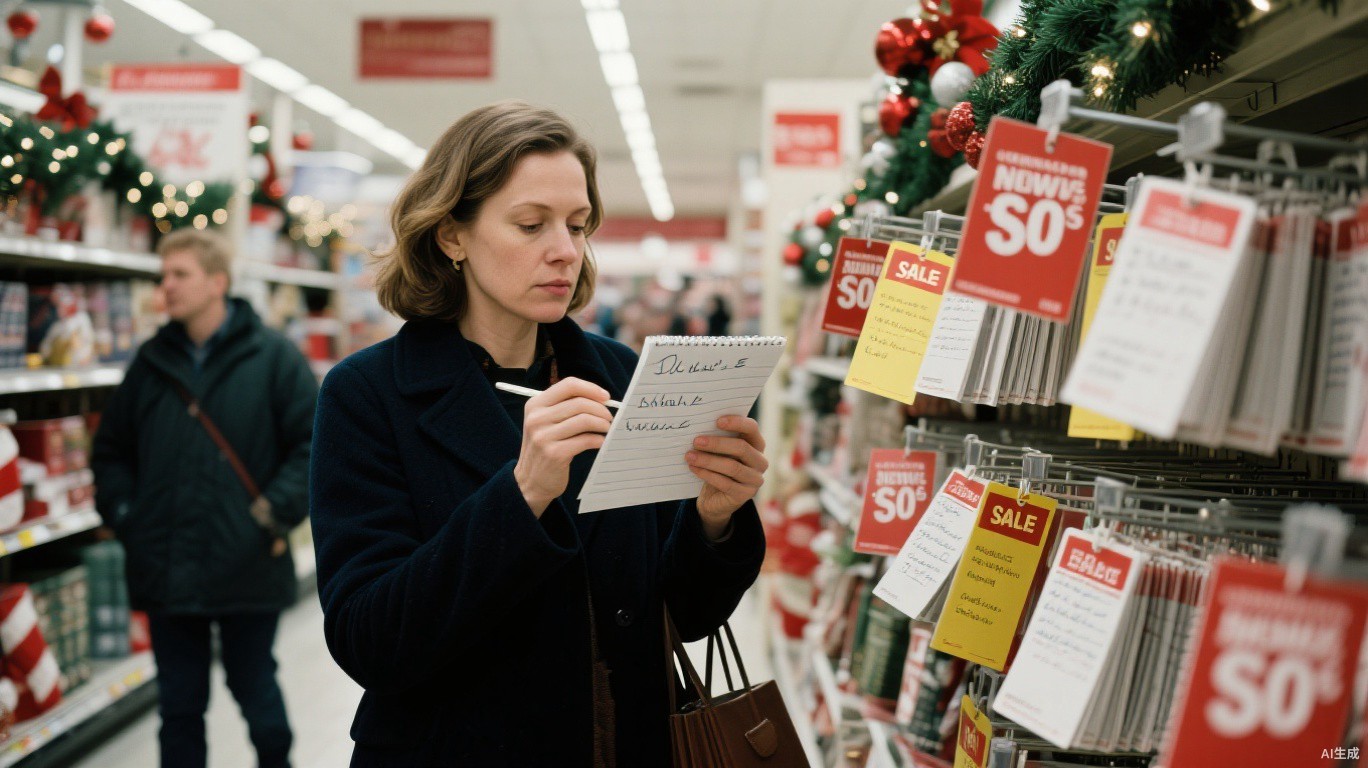
Before browsing listings, work out the total you can afford, not just the purchase price. Insurance, tax, registration fees, an initial service and a reserve for unexpected repairs all add up. Getting insurance quotes for a few candidate models early can rule some out entirely.
If you plan to borrow, arrange finance in principle before you shop. Knowing your limit makes negotiation easier and reduces the pressure to accept a dealer's finance package without comparison. Read any agreement carefully, paying attention to the total amount repayable rather than only the monthly figure.
Dealer, Private Seller or Online Platform
Each route has advantages. Franchised and independent dealers usually offer some form of warranty and are covered by consumer protection laws that give buyers more rights if something goes wrong. Prices tend to be higher as a result.
Private sales can be cheaper, but legal protections are often more limited, and the buyer carries more responsibility for checking the vehicle. Online platforms that deliver cars to your door add convenience and usually include a return window, though you lose the chance to inspect before committing.
The seller's paperwork tells you as much about a car as the engine does, and a missing history is a question that needs a good answer.
That advice, from an independent vehicle inspector in Brisbane, reflects a widely shared view among mechanics. A full service record does not guarantee a perfect car, but it shows that someone cared about maintenance.
Checks Before You Hand Over Money
Whatever the source, a few checks are worth doing every time:
- Run a vehicle history check to look for outstanding finance, previous write-offs or theft records, using the official or reputable service available in your country.
- Confirm that the identification numbers on the car match the registration document.
- Review service records, inspection certificates and receipts for major work.
- Compare the recorded mileage against previous inspection records for consistency.
- Ask whether the car has any recall work outstanding and whether it has been completed.
These steps take little time and can uncover serious problems that no visual inspection would reveal.
Inspecting the Car Itself
View the car in daylight and in dry weather if possible, since rain and darkness hide paint defects and body damage. Look along each side for ripples or mismatched panels that might indicate previous repairs. Check that gaps between panels are even.
Inspect all four tyres for tread depth and uneven wear, which can point to alignment or suspension problems. Open and close every door, the boot and the bonnet. Inside, test the electrics: windows, lights, air conditioning, heating, infotainment and any driver-assist features listed in the advert.
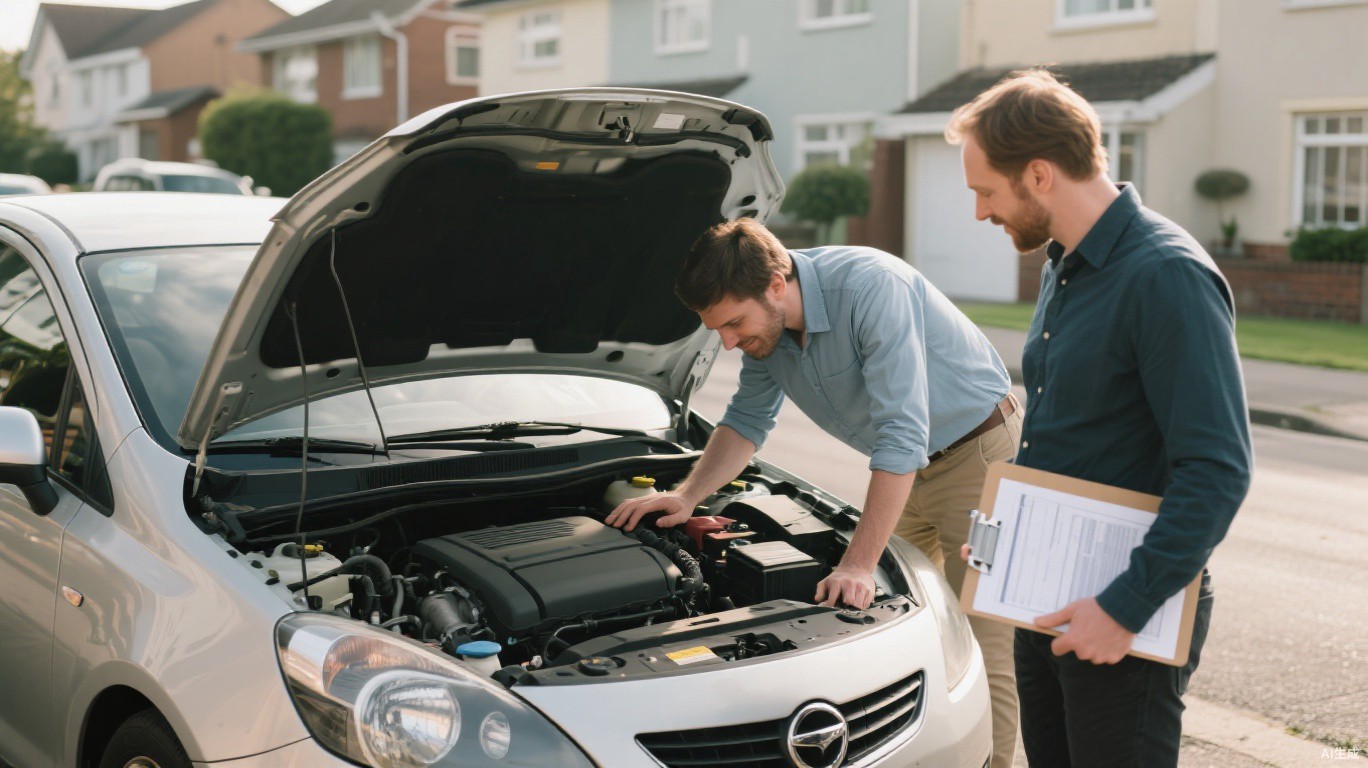
Under the bonnet, look for obvious leaks, corrosion or signs of recent cleaning designed to hide them. Check oil and coolant levels. Ideally, start the engine from cold, since some faults are only noticeable before it warms up.
For hybrid and electric cars, ask for any available battery health report. Some manufacturers and independent specialists can provide one, and it is valuable information on a component that is expensive to replace.
If you are not confident assessing a car yourself, paying for an independent inspection is usually money well spent. The cost is modest compared with the price of a hidden fault.
On the test drive, take the car on a mix of roads if you can, including some faster sections. Listen for knocks over bumps, check that the steering feels straight, and test the brakes firmly in a safe place. The gearbox should change smoothly, whether manual or automatic. Warning lights should come on briefly at start-up and then go out.
Pay attention to comfort as well. Seating position, visibility and noise matter on every journey you will make in the car, and they are easy to overlook in the excitement of a purchase.
Negotiating Without Drama
Research comparable cars to understand the fair market range. Any faults you find, such as worn tyres or an overdue service, are legitimate points for negotiation. Be polite, specific and willing to walk away. Sellers are more likely to move on price when the buyer is calm and well informed.
When paying, use a traceable method, get a written receipt that includes the vehicle details, and make sure the registration transfer is completed correctly. Never pay a deposit for a car you have not seen in person or through a trusted platform.
A careful buyer will sometimes walk away from several cars before finding the right one. That patience is not wasted time; it is the main reason careful buyers tend to end up with dependable cars at fair prices.