Matter and Thread Explained: A Buyer's Guide to Smart Home Standards
Smart home devices are finally converging on shared standards. Here is what Matter and Thread actually do, what they still cannot fix, and how to buy gadgets that will keep working with each other.

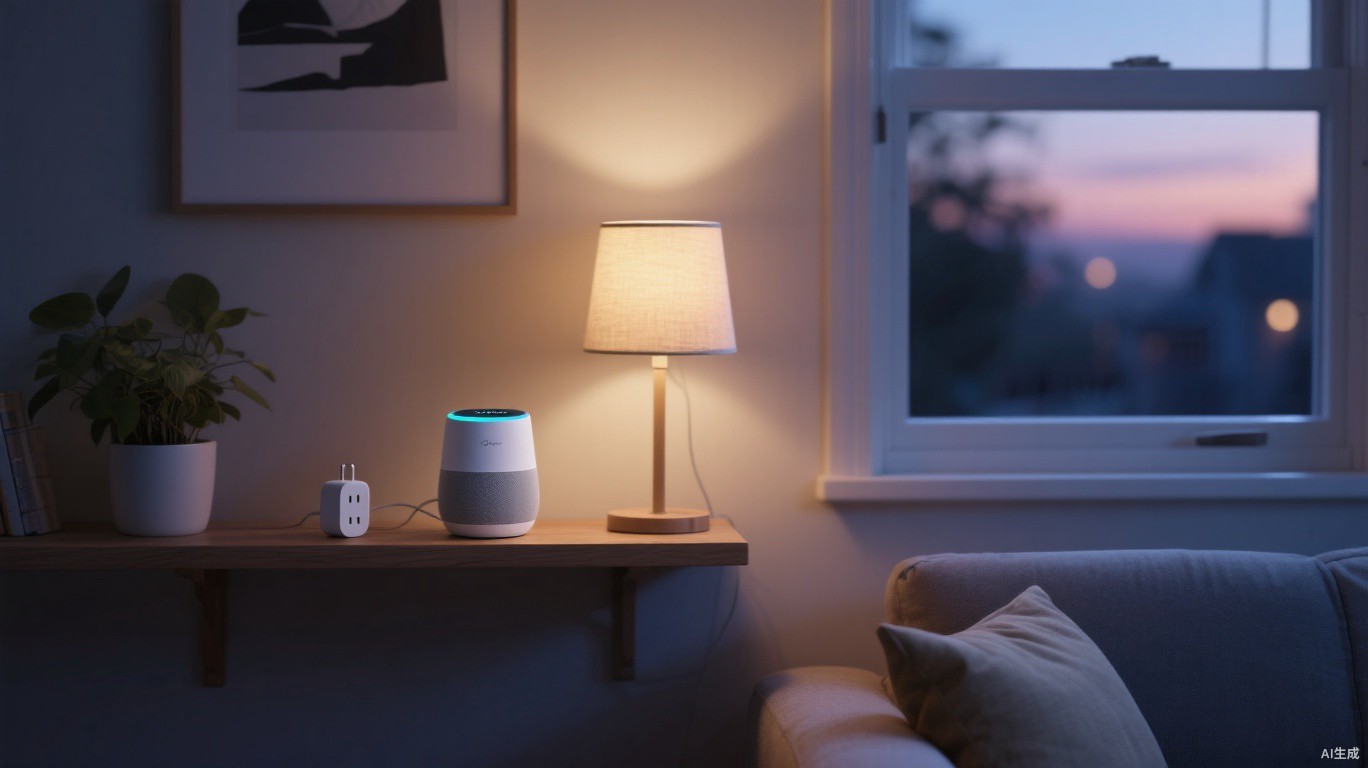
Anyone who has tried to build a smart home over the past decade knows the frustration. A light bulb works with one voice assistant but not another. A door sensor needs its own hub. A thermostat app refuses to talk to the security camera app. Each gadget arrives with its own account, its own setup routine and its own way of failing.
The industry's answer is a pair of technologies that now appear on a growing share of product boxes: Matter and Thread. They are often mentioned together, but they solve different problems, and knowing the difference makes shopping a lot less confusing.
Matter is the common language
Matter is an application standard developed by a broad industry alliance that includes most of the large platform companies and many device makers. Its job is to define how devices describe themselves and how they accept commands. A Matter-certified light bulb announces that it is a light, that it can be switched on and off, and that its brightness and colour can be adjusted, all in a format any Matter controller understands.
The practical result is that one bulb can be controlled from several ecosystems at once. You might add it to one company's app on your phone while a family member controls it through a different brand's smart speaker. Matter calls this "multi-admin", and it removes much of the lock-in that used to define smart home purchases.
Matter also runs locally. Commands travel across your home network rather than to a remote server and back, which typically means faster responses and devices that keep working during an internet outage.
Thread is the road network
Thread, by contrast, is a low-power wireless networking technology. It is one of the ways Matter messages can travel, alongside ordinary Wi-Fi and Ethernet. Thread is designed for small battery-powered devices such as sensors, buttons and locks that need to run for months or years without a recharge.
Its defining feature is that it forms a mesh. Mains-powered Thread devices, such as smart plugs and some bulbs, can relay messages for each other, so coverage grows as you add more of them. To connect a Thread network to the rest of your home network, you need at least one device acting as a border router. Many recent smart speakers, streaming boxes and hubs include this function, often without advertising it prominently.
An engineer at a mid-sized lighting manufacturer summed up the relationship neatly.
Matter decides what the devices say to each other, and Thread is one of the quieter, more efficient ways for them to say it.
What the standards do not fix
The shared standards are a genuine improvement, but they have not made every problem disappear. Device categories were added in stages, so some product types, including certain appliances and more advanced cameras, have arrived later or with limited features. Manufacturers can also offer extra functions that only work in their own app, so a Matter-connected device may expose only its basic controls to other platforms.
Setup can still be uneven. Pairing usually involves scanning a code printed on the device or its packaging, and if that label is lost, adding the device to a new ecosystem later can be awkward. It is worth photographing setup codes and keeping them somewhere safe.
Finally, multiple Thread networks from different brands in the same home have historically not always merged cleanly. Work on sharing network credentials between platforms has improved this, but it is sensible to keep your setup as simple as possible.
How to shop with confidence
If you are buying new smart home gear, a short checklist helps:
- Look for the Matter logo on the packaging, and check whether the product uses Thread or Wi-Fi.
- Confirm you already own, or plan to buy, a Thread border router if you choose Thread devices.
- Prefer battery-powered sensors and locks on Thread for longer battery life.
- Check which features are available through Matter and which require the maker's own app.
- Keep a record of each device's setup code and model number.
For existing older devices, there is no need to throw them away. Many hubs can bridge legacy products into Matter, letting them appear alongside newer gadgets, although the range of features available can vary.
A calmer smart home
The bigger promise of Matter and Thread is not novelty but reliability. When devices from different makers can coexist, buyers can choose products on quality, price and design rather than on which logo is printed on their speaker. Local control means fewer frustrating moments when a light switch stops responding because a server elsewhere is having a bad day.
The standards are still maturing, and it will be some years before every category is fully covered. But for the first time, buying a smart plug or sensor feels less like committing to a single company and more like buying an ordinary household item that simply works with the rest of the house.