Why More Adults Are Staying in Shared Housing Well Into Their Thirties
Flat-sharing was once a short stage after university. High rents and deposits have turned it into a long-term arrangement for many working adults, with practical and social consequences.

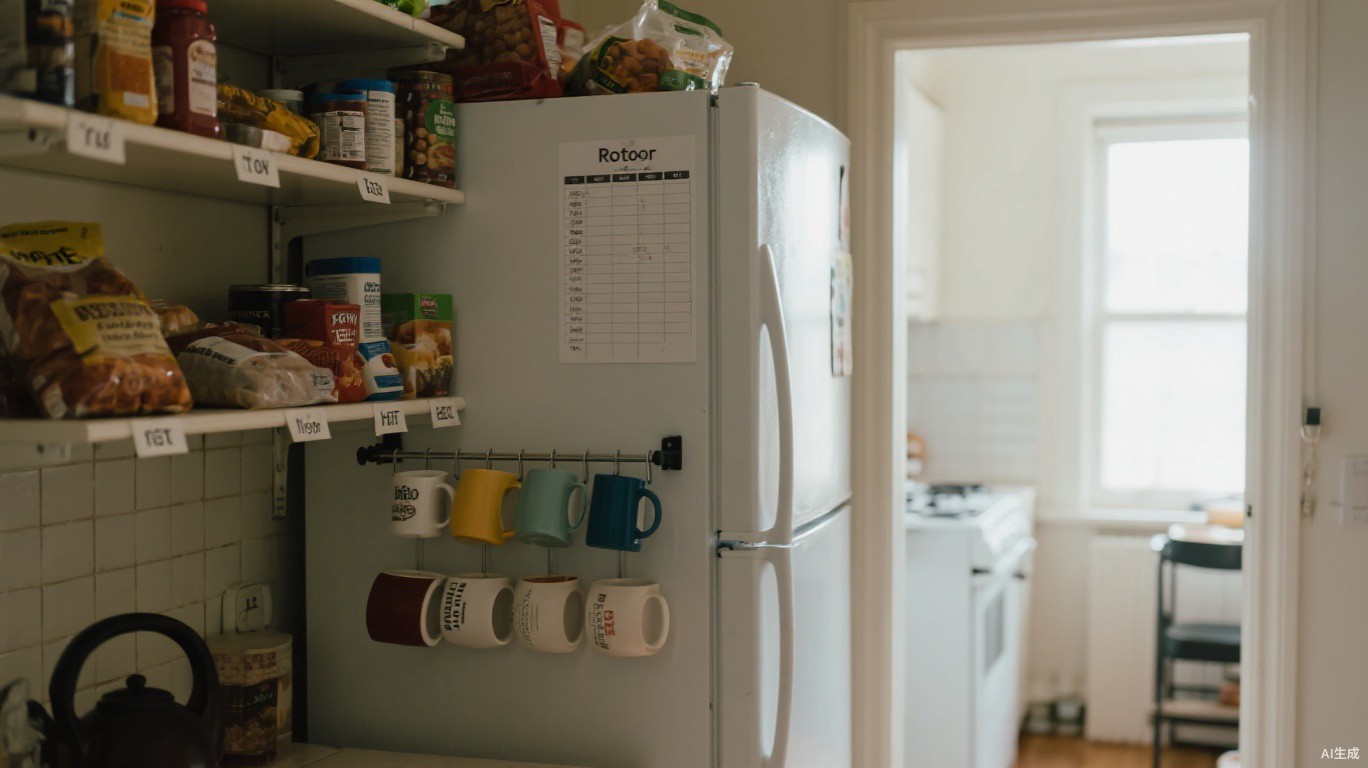
In many large cities across the UK, Ireland, Australia and parts of the United States, the household of four unrelated adults sharing a kitchen is no longer mainly made up of students. It increasingly includes nurses, teachers, software testers and civil servants in their late twenties and thirties. For a growing number of people, the shared house has shifted from a temporary stop to a lasting way of life.
The numbers behind the shift
The basic driver is affordability. In major cities, the rent on a one-bedroom flat can absorb half or more of a typical single salary before bills. Saving for a deposit on a purchase becomes slow when so much income goes on rent, and lenders' income multiples limit what a single buyer can borrow. Sharing spreads fixed costs such as heating, internet and council or local taxes across several people.
Moving is expensive too. Upfront costs often include a deposit, the first month in advance and sometimes fees, along with removal costs. Staying put in a reasonable shared house can feel safer than chasing a small independent flat that might stretch the budget too far.
Who is sharing now
Surveys of renters in several countries suggest the age profile of sharers has been rising for more than a decade. The group now includes:
- Early-career professionals in cities with high rents relative to wages.
- People who have moved for work and do not yet know the area well.
- Adults recovering financially after a relationship breakdown.
- Couples who share a room in a larger house to save toward a deposit.
- Older single renters who prefer company to living alone on a tight budget.
Maria, a nurse in Lisbon who has shared a flat with three colleagues for six years, said the decision was partly financial and partly practical. "We all work shifts, so someone is usually awake when someone else gets home," she said. "If I lived alone I would spend almost everything I earn on rent."
The benefits people do not expect
Shared living is often discussed purely as a sign of economic strain, and that is part of the picture. But many long-term sharers describe real advantages. Loneliness is a recognised concern among adults living alone, and a household where someone notices if you are unwell or brings home extra groceries can offer genuine support. Pooling costs can also mean a better location, closer to work and transport, than a person could afford on their own.
Some households develop strong routines: shared dinners on a set evening, a common fund for cleaning supplies, or an agreed system for guests. These habits tend to make sharing more stable and less stressful over the long run.
The downsides are also familiar. Privacy is limited, and one difficult housemate can make home life tense. Planning for the future is harder when a landlord can sell the property or raise the rent, scattering a household that has worked well for years. Starting a family in a shared house is rarely practical, so some people describe feeling that key life decisions are on hold.
The shared house has shifted from a temporary stop to a lasting way of life, and the rules that govern it have not always caught up.
Regulation has not always adapted either. Rules for houses in multiple occupation focus on safety standards like fire doors and room sizes, which matter, but they rarely address questions such as how one tenant leaving affects the others' tenancy rights.
Making shared living work
Housing advisers suggest a few practical steps for people who expect to share for several years. Get a written tenancy that clearly explains whether the contract is joint or individual, since this affects who is liable if someone leaves. Agree on how bills are split before the first invoice arrives, and use a simple shared record of payments. Talk openly about expectations around noise, guests and cleaning early on, rather than waiting until resentment builds.
It also helps to think about savings separately from rent. Some long-term sharers set a fixed monthly transfer to a savings account on payday, treating it as a non-negotiable bill. Over several years, the difference between shared and solo rent can amount to a meaningful sum.
What it says about the wider housing market
The rise of adult flat-sharing reflects broader pressures: housing supply that has not kept pace with demand in high-employment cities, wages that have risen more slowly than rents, and a rental sector where tenants have relatively little long-term security. Policymakers in several countries are debating responses ranging from new building to changes in tenancy law and support for co-operative or purpose-built shared housing.
For now, the shared kitchen remains the reality for millions of working adults. It is neither simply a failure nor a lifestyle trend, but a practical adaptation to cities where the cost of a front door of your own keeps moving out of reach. How well it works often depends on small things: a fair rota, a reasonable landlord, and housemates willing to talk before problems grow.