A Practical Winter Car Care Checklist Before the First Cold Snap Arrives
Batteries, tyres, wipers and coolant all work harder when temperatures fall. A few simple checks in autumn can prevent breakdowns, improve safety and save money over the winter months.

Breakdown services in colder countries tend to see the same pattern every year. The first properly cold week brings a surge of call-outs, and a large share of them involve problems that could have been spotted weeks earlier. Flat batteries, worn tyres and frozen washer fluid top the list.
Preparing a car for winter does not require specialist knowledge. Most of the checks below take minutes, and the rest can be handled during a routine service. The aim is not to turn every driver into a mechanic, but to reduce the chance of being stranded on a dark, freezing morning.
Start With the Battery
Cold weather is hard on batteries. Chemical reactions inside slow down as temperatures drop, reducing the power available, while the engine needs more effort to turn over because oil thickens. A battery that coped through summer can fail suddenly in the first frost.
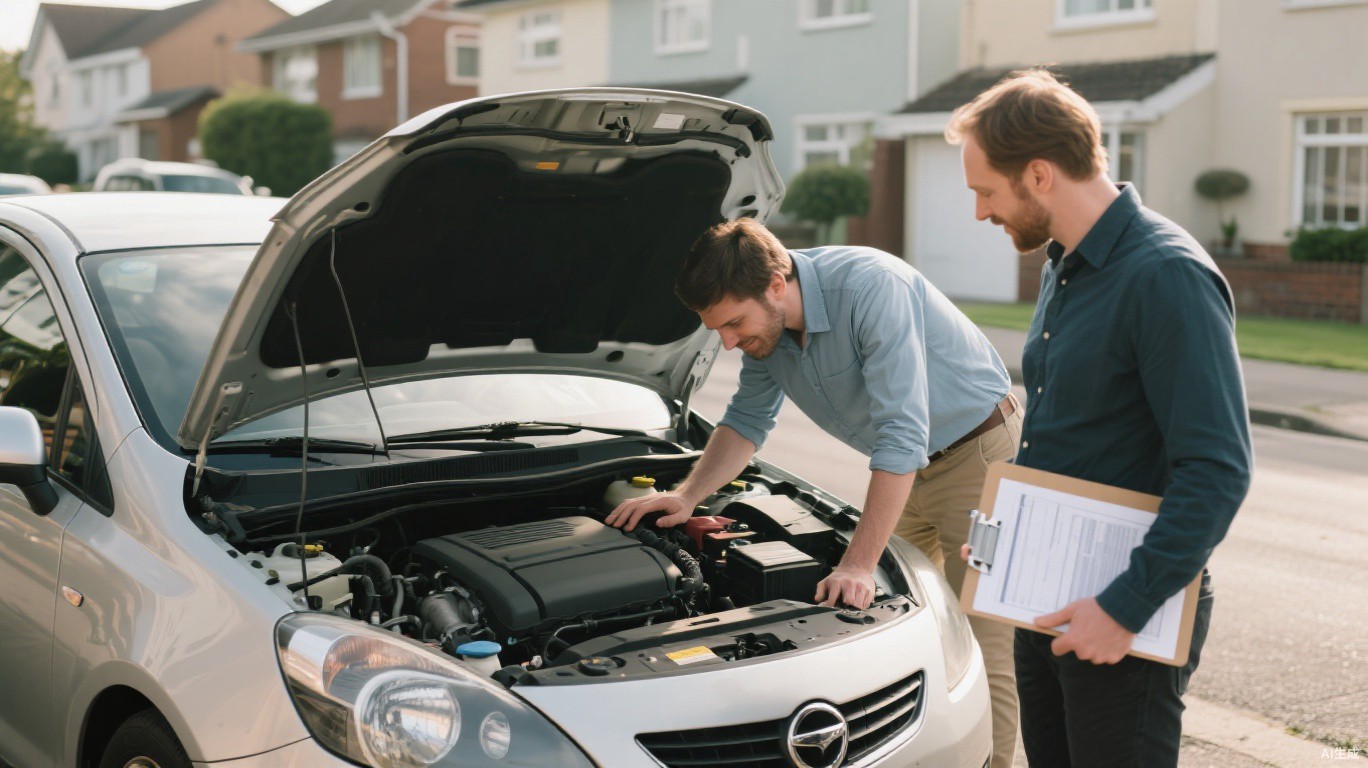
If your battery is more than four or five years old, it is worth having it tested. Many garages and parts shops do this quickly and cheaply. Signs of trouble include a slow, laboured start, dimming lights at idle and warning lights on the dashboard.
Most of the winter rescues we do are batteries that were already tired in September, and the cold simply finished them off.
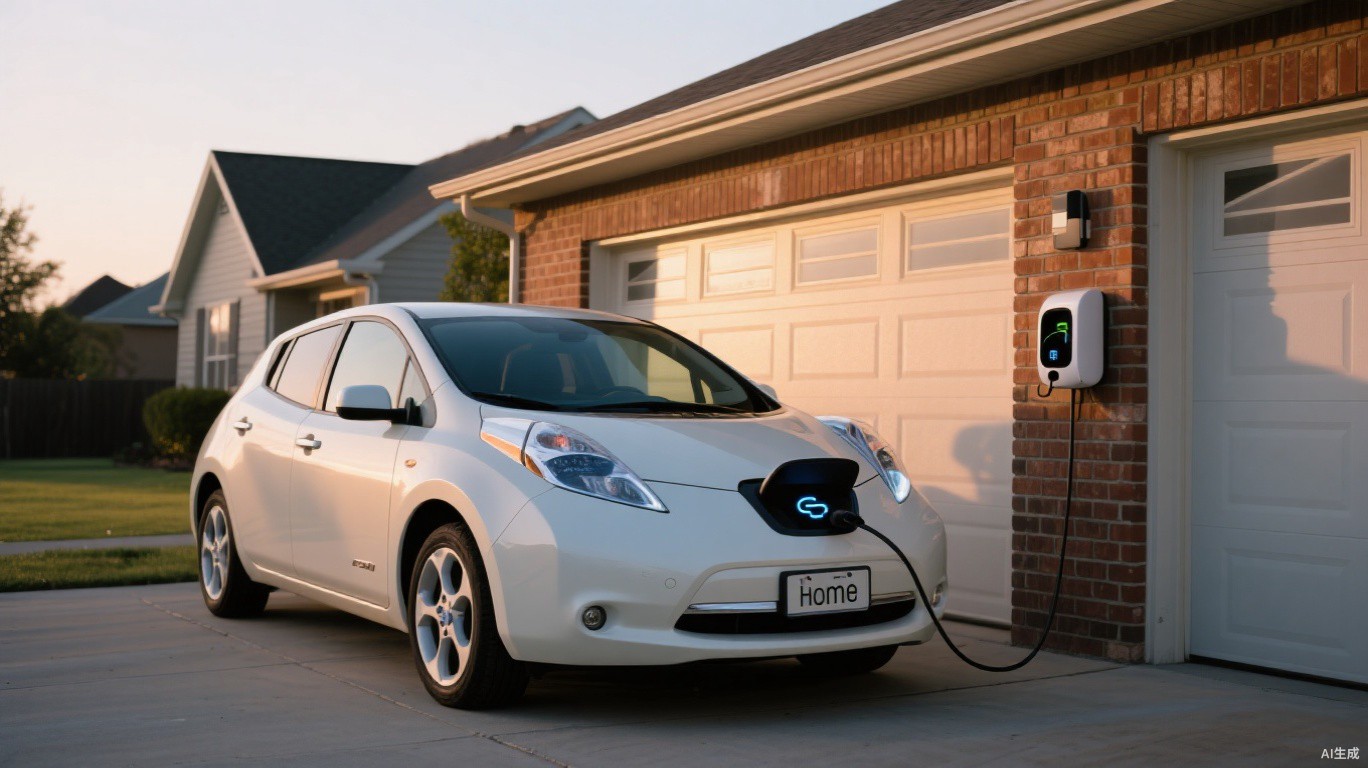
That is how a roadside technician in Ohio described it, and the advice applies equally to hybrid and electric cars, which still rely on a conventional 12-volt battery to power their electronics and wake up the main system.
Tyres, Grip and Pressure
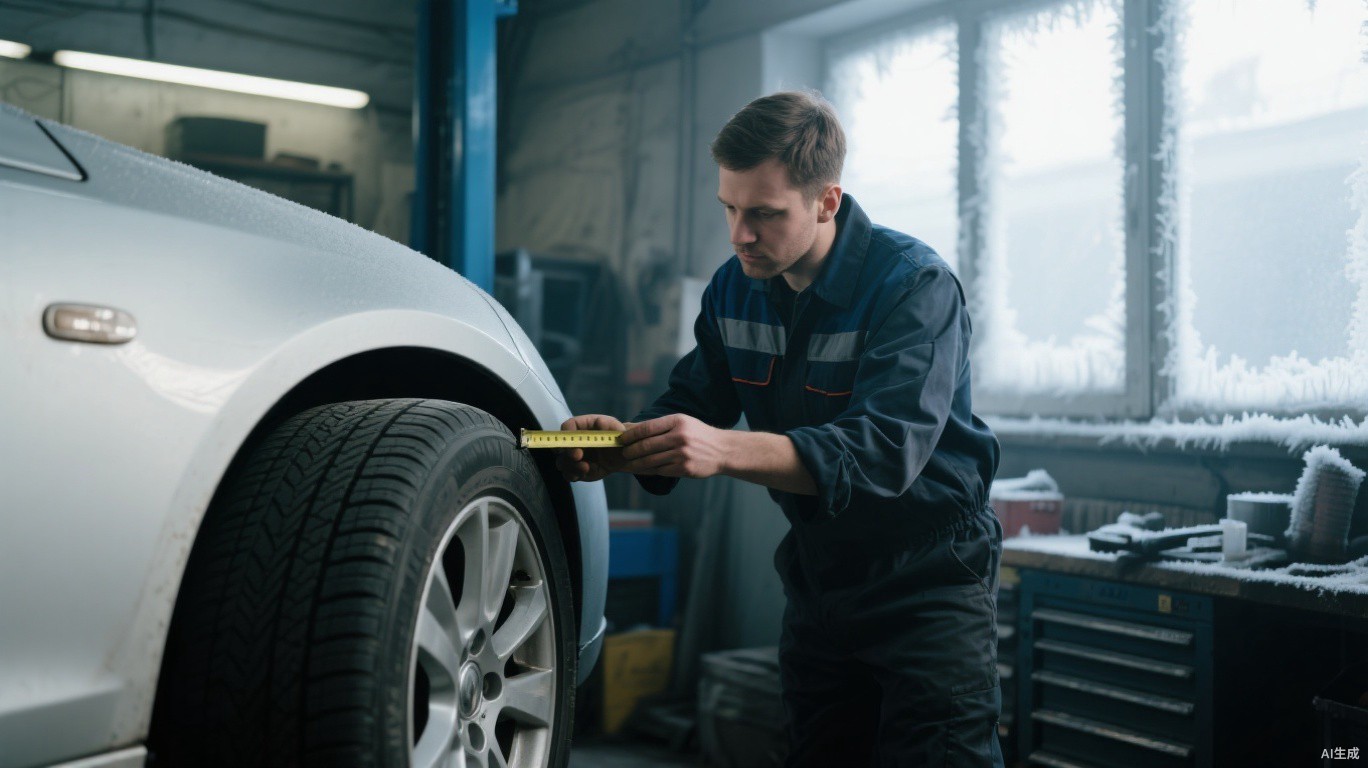
Tyres are the only part of the car touching the road, and winter conditions expose any weakness. Legal minimum tread depths vary by country, but many safety organisations recommend replacing tyres well before reaching that limit, because braking distances on wet and icy surfaces increase noticeably as tread wears down.
Tyre pressure also drops as air temperature falls. Check pressures when the tyres are cold, using the figures in your owner's manual or on the label inside the door frame, rather than the maximum printed on the tyre sidewall.
In regions with regular snow and ice, dedicated winter tyres or all-season tyres with the appropriate snow rating make a significant difference to grip. In some parts of Europe they are a legal requirement during certain months. Elsewhere, drivers need to weigh cost against how often they genuinely face severe conditions.
For a reasonable baseline, run through these items before temperatures drop:
- Test the battery and clean any corrosion from the terminals.
- Check tread depth and pressure on all four tyres, plus the spare if you have one.
- Replace wiper blades that smear or chatter, and top up with a winter-rated washer fluid.
- Confirm that coolant is at the correct level and mixed to the right concentration.
- Walk around the car to check every light, including brake lights and fog lights.
- Pack a basic kit with a scraper, de-icer, torch, blanket, phone charger and water.
Visibility Is a Safety Issue
Short days mean more driving in the dark, often through spray and low sun. Clean the inside of the windscreen as well as the outside, since a film of grime causes glare and mists up faster. Make sure the heater and demister work properly and that the air conditioning system, which helps remove moisture, has been run regularly.
Clear all snow and ice from every window, mirror and light before setting off, and from the roof too. Snow sliding forward onto the windscreen during braking can blind a driver instantly, and in some places driving with an uncleared roof can result in a fine.
Avoid pouring hot water onto a frozen windscreen. The sudden temperature change can crack the glass, especially if there is already a small chip. A scraper, a de-icing spray and a few minutes with the engine and heater running are safer options. Where idling is restricted by local rules, a windscreen cover overnight can save time in the morning.
Fluids, Brakes and the Things You Cannot See
Coolant, often called antifreeze, protects the engine from freezing and corrosion. The level should sit between the marks on the reservoir, and a garage can test whether the mixture is strong enough for local temperatures. Never open a hot cooling system.
Brakes should be inspected at the regular service interval, but if you notice grinding, pulling to one side or a soft pedal, have them checked straight away. Road salt also accelerates corrosion on the underside of the car, so occasional washes, including the underbody, can help through the season.
Adjusting How You Drive
Preparation only goes so far. On icy or snowy roads, gentle inputs matter most: smooth acceleration, early and progressive braking, and wider gaps to the vehicle ahead. Stopping distances on ice can be many times longer than on a dry road. Modern stability and anti-lock braking systems help, but they cannot create grip that is not there.
Check the weather and traffic information before longer journeys, tell someone your route in remote areas, and keep fuel or charge comfortably above the minimum. If conditions are severe and the trip is not essential, waiting a few hours is often the wisest decision of all.
None of these steps is dramatic, and that is the point. A tested battery, decent tyres, clear glass and a small emergency kit will not make winter driving effortless, but they shift the odds firmly in your favour.