Charging an Electric Car at Home: What First-Time Owners Need to Know
From standard wall sockets to dedicated wallboxes and off-peak tariffs, here is a practical guide to setting up reliable, safe and affordable electric vehicle charging where you park every night.

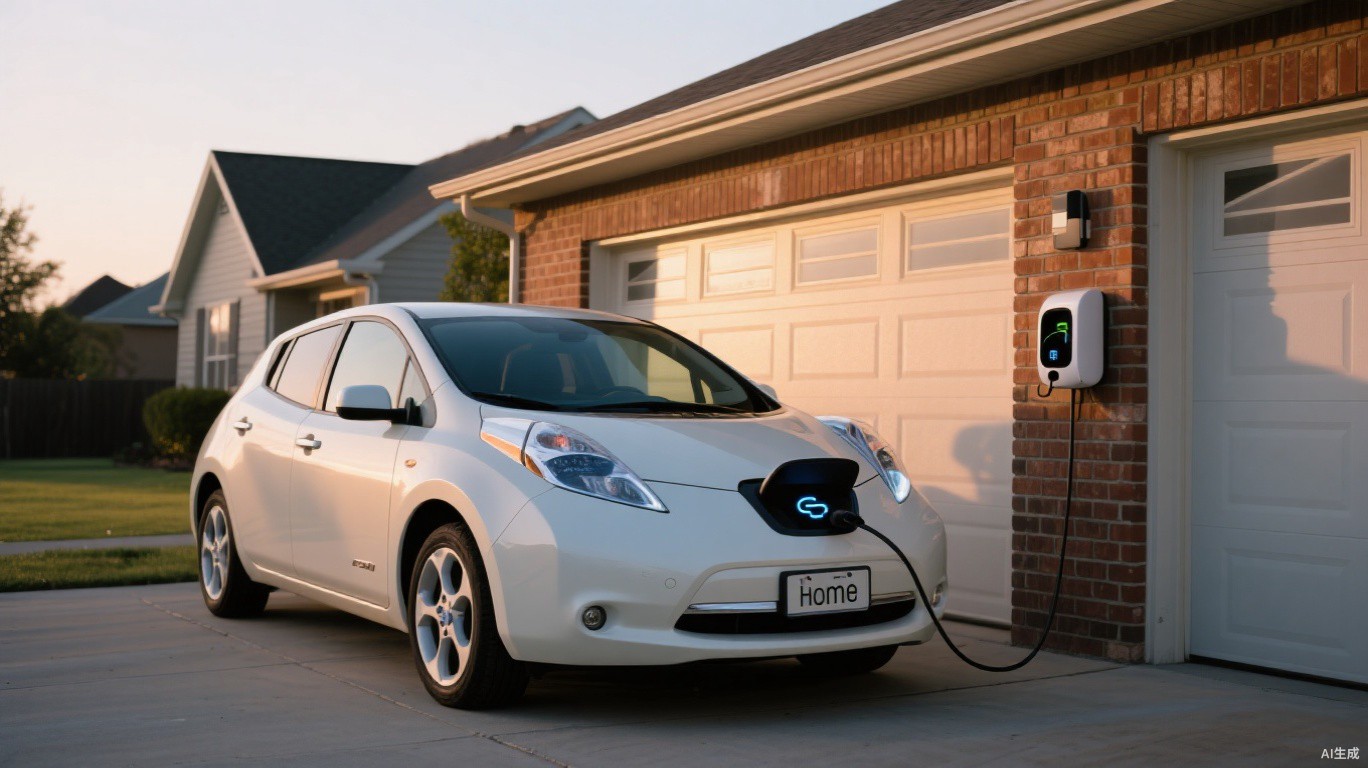
For most electric car owners, the public charging network is a backup rather than a daily habit. Surveys in several markets consistently show that the large majority of charging happens at home, usually overnight. Getting that home setup right shapes almost everything about the ownership experience, from running costs to how often you think about range at all.
The good news is that home charging is not complicated once you understand a few basic ideas. The less good news is that the right answer depends heavily on your property, your electrical supply and how far you actually drive.
The Three Levels of Home Charging
Home charging tends to fall into three broad categories, and the terminology varies slightly between countries.
The first is plugging into an ordinary domestic socket using the portable cable supplied with many cars. This is slow, typically adding only a handful of miles of range per hour. For a driver who covers short distances and can leave the car plugged in for twelve hours, it can be perfectly adequate. Electricians generally advise against relying on it long term, however, because household sockets and extension leads are not designed for hours of sustained high current.
The second is a dedicated home charger, often called a wallbox. Installed on its own circuit, it delivers several times the power of a standard socket and can refill most batteries overnight. This is what most owners end up choosing.
The third, faster option requires a higher-capacity or three-phase supply. In parts of Europe this is common in homes; in the UK, US and Australia it is less so, and upgrading the supply can be expensive. For most private drivers the extra speed rarely justifies the cost.
Before You Book an Installer
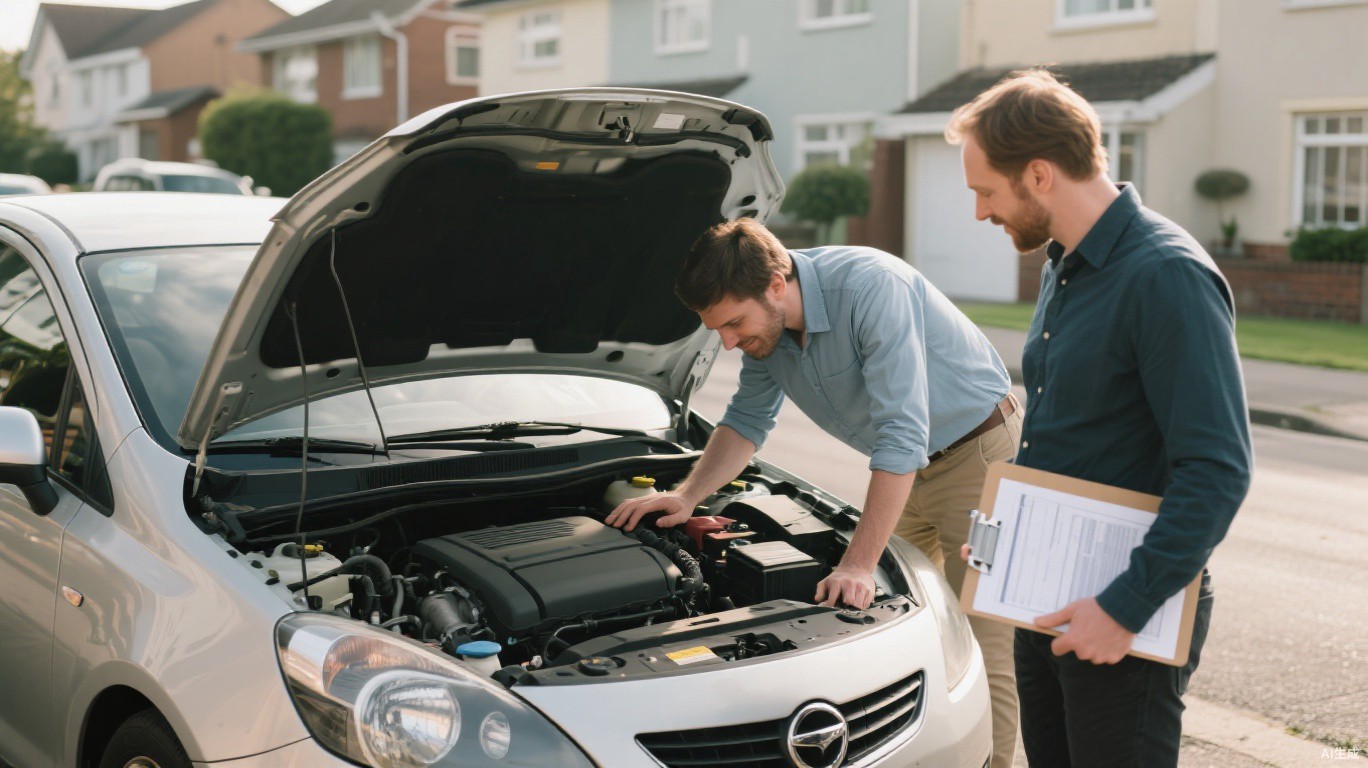
A qualified electrician should assess your property before anything is fitted. They will look at the capacity of your main fuse or service panel, the condition of the existing wiring, the distance from the consumer unit to the parking spot, and whether earthing arrangements meet local rules.
A charger is only as good as the circuit behind it, and the survey is where you find out whether your home is ready.
That observation, from an electrician who installs chargers in the English Midlands, reflects a common experience. Older homes sometimes need a consumer unit upgrade, and long cable runs across a garden or through a garage add labour. Getting two or three written quotes is sensible, and it is worth checking whether any government or utility grants apply where you live, since these schemes change frequently.
Questions worth asking an installer include:
- Does my main supply need upgrading, and who arranges that with the network operator?
- Will the charger include load management to avoid overloading the house when the oven and heating are on?
- Is the unit compatible with smart tariffs and scheduled charging?
- What warranty covers the hardware and the installation separately?
- Where exactly will the cable run, and will it need trenching or drilling?
Smart Charging and Off-Peak Tariffs
The real savings from home charging usually come from timing. Many electricity suppliers now offer tariffs with much cheaper rates overnight, when demand on the grid is low. Charging during those hours can make the cost per mile a fraction of what a petrol car would cost, though the exact figure depends on local energy prices.
Most modern chargers and many cars allow you to schedule charging through an app. You set the window, plug in when you arrive home, and the car waits until the cheaper period begins. Some tariffs go further and adjust charging automatically according to grid conditions.
If you have rooftop solar panels, certain chargers can prioritise surplus solar generation during the day. This works best for people who are home with the car parked during daylight, such as remote workers or retirees.
Living Without a Driveway
Not everyone has off-street parking. Renters, flat owners and people living on terraced streets face a different set of options. Some local councils are installing lamppost or kerbside chargers, and workplace charging is becoming more common. Running a cable across a public pavement is usually prohibited or tightly regulated because of trip hazards, so check local rules before trying any improvised solution.
For drivers in this situation, the calculation around switching to an electric car is more about the reliability and price of nearby public chargers than about home equipment. It is worth mapping the options within walking distance before committing.
Battery Care and Everyday Habits
Most manufacturers recommend keeping day-to-day charging below full capacity, often around 80 percent, and saving a full charge for long trips. Many cars let you set this limit in their settings. Leaving a battery at a very high or very low state of charge for long periods may contribute to faster degradation, although modern battery management systems are designed to limit the effect.
There is also no need to plug in every night if your daily mileage is low. Some owners charge two or three times a week and find that perfectly workable. Others prefer the reassurance of a routine top-up. Either approach is fine within the manufacturer's guidance.
Finally, treat the equipment with the same care as any electrical appliance. Keep cables off the ground where they might be driven over, coil them loosely, check for damage periodically and never use a charger that shows signs of overheating or a cracked casing.
Done properly, home charging fades into the background. The car is simply full each morning, the running costs are predictable, and trips to a public charger become something you plan only for longer journeys. Spending a little time on the survey, the tariff and the settings at the start is what makes that routine possible.